“My lake is drier than it’s ever been. . . “

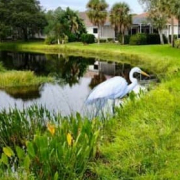
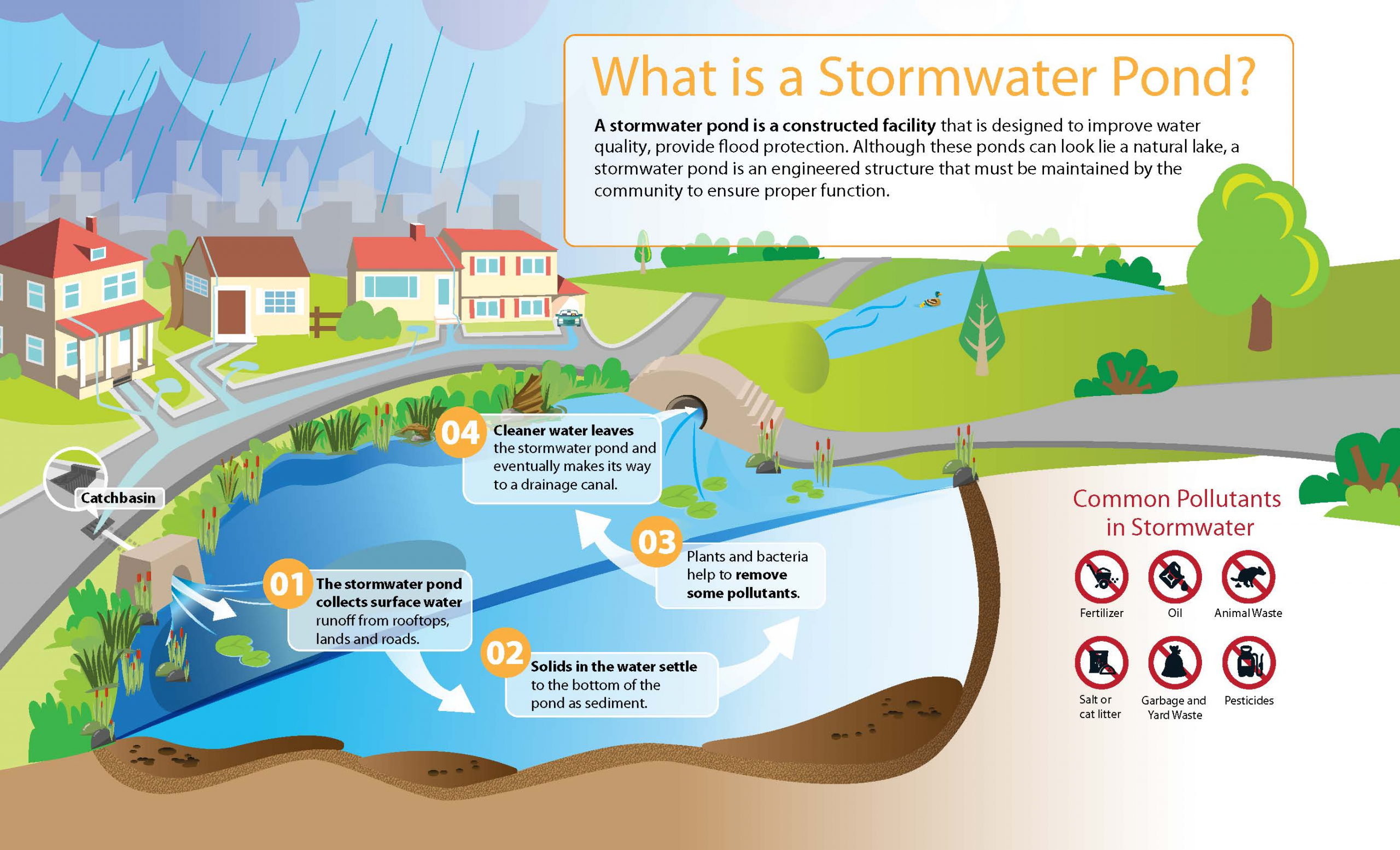
Your community’s lake or pond is actually a stormwater management pond. A stormwater management pond is an engineered structure built to gather surface water runoff (rainfall) from rooftops, lands, and roads. The pond temporarily stores water and then releases it to an LWDD drainage canal at a controlled rate until the designed water elevation in the pond is achieved.

During Florida’s dry season, which typically spans from October to May, the water levels in these ponds can drop significantly. This natural fluctuation can expose sandy banks and reduce the pond’s capacity for uses like lawn irrigation. Since stormwater ponds primarily rely on rainfall for replenishment and can’t be refilled using water from the LWDD canal system, these conditions are likely to persist until sufficient rainfall occurs.

During the dry season when water levels are lower, is an opportune time for communities to conduct thorough inspections and maintenance of their drainage infrastructure. Here are some essential steps for ensuring a well-maintained drainage system:

  • Keep swale areas clear. Regularly remove debris and vegetation from swale areas and ensure they are mowed regularly. This helps prevent blockages and allows for efficient water flow.
  • Clear street drains: Remove any trash or debris that may have accumulated in street drains to prevent blockages and ensure proper drainage during rainfall events.
  • Inspect discharge points/outfalls: Regularly inspect discharge points or outfalls into LWDD canals to ensure they are clear of obstructions and functioning properly. This helps maintain the flow of water from stormwater management ponds into the LWDD canal system.
  • Inspect underground drainage pipes: Schedule inspections of underground drainage pipes every three to five years to identify any potential issues such as leaks, cracks, or blockages. Addressing these issues promptly can prevent costly repairs and ensure the effectiveness of the drainage system.
  • Exercise discharge control structures: Periodically open and close operable discharge control structures to ensure they are functioning correctly. This helps prevent rust or corrosion buildup and ensures they are operational when needed.
  • Visually inspect fixed discharge control structures: Regularly inspect fixed discharge control structures for signs of structural damage or potential blockages. Address any issues promptly to maintain the integrity and effectiveness of the drainage system.

By following these maintenance practices, communities can ensure their drainage infrastructure remains in optimal condition, minimizing the risk of flooding and ensuring efficient water management during both wet and dry seasons.
stormwater pond graphic

Helpful Information to Pass Along to Your Communities

According to the most recent US census data, Palm Beach County’s estimated 2024 population is 1,548,985 making it the fourth most populous county in Florida. LWDD’s videos and fact sheets library help educate homeowners, especially those new to our unique stormwater drainage system, on the community’s role in flood protection. Check out these resources for more information.

Walking to Honor Survivors & Loved Ones

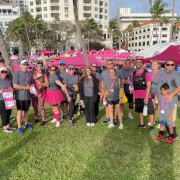
LWDD joined thousands participating in the Susan G. Komen More Than Pink Walk in West Palm Beach. The LWDD team raised almost $1,700 towards the fight to cure breast cancer. We met each other’s family and friends, enjoyed each other’s company, and cheered, honored, and hoped for those affected by this disease.

Is it a lake or is it a pond?

It may surprise some residents within the Lake Worth Drainage District (LWDD) boundary to learn that the waterbody often referred to as a community lake is, in fact, a stormwater management pond. These two water bodies are very different from each other. Lakes are naturally formed waterbodies whereas stormwater ponds are man-made and have a distinct and important role in managing surface water quality and quantity.

A stormwater management pond is an engineered structure built to gather surface water runoff (rainfall). The pond temporarily stores water and then releases it at a controlled rate. Through a combination of landscape and structural features, stormwater management ponds allow sediment and contaminants to settle out of runoff water before it is released into drainage canals. Stormwater ponds also hold excess water during large storms thus protecting neighborhoods from flooding. Additionally, stormwater ponds are constructed to be an attractive feature for the community.

A stormwater pond should mimic a natural lake, but this requires active maintenance by the community. Being a good steward of your pond means learning how to keep the pond healthy, functional, and attractive. Some general housekeeping rules for stormwater pond maintenance are:
• Keep yard debris and pet waste out of ponds, drainage canals, swales, and storm drains.
• Pesticides and fertilizers need to be used and disposed of properly. They should never be broadcast over streets or sidewalks and only applied at the label rate.
• Properly dispose of all household hazardous materials such as paint, antifreeze, or motor oil. For collection sites visit Solid Waste Authority of Palm Beach County.
• Never hose chemicals off impermeable surfaces.
• Reduce erosion by planting Florida native plants and grasses in overexposed areas. Find out more at Palm Beach County Florida Native Plant Society.

Many commercial pond management companies can evaluate your community’s stormwater pond and offer suggestions for improvements. For more information about community flood control and stormwater pollution, visit us at www.lwdd.net.

Your Question Answered

Q: What is the difference between the Lake Worth Drainage District (LWDD) and the South Florida Water Management District (SFWMD)? Click here to find the answer.

A: Both the LWDD and the SFWMD provide flood control but differ in size and responsibilities. SFWMD is one of our state’s five regional water management districts and oversees the water resources in the southern half of Florida, covering 16 counties from Orlando to the Florida Keys. LWDD is a local, independent special taxing district encompassing approximately 200 square miles in southeastern Palm Beach County.

Flood control in South Florida is an integrated system consisting of primary canals operated by SFWMD, secondary canals operated and maintained by the LWDD, and tertiary neighborhood drainage systems owned, operated and maintained by residential associations. LWDD and SFWMD work closely together to provide flood control for our residents. When necessary, LWDD discharges excess stormwater into the regional flood control system or primary system operated by the SFWMD.